
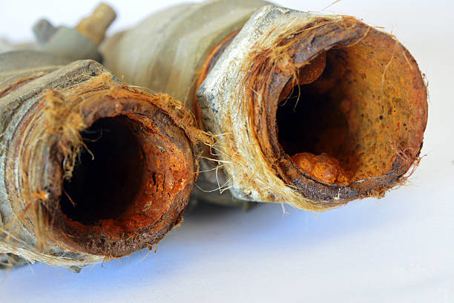
The moment most San Diego homeowners start wondering about repiping usually is not dramatic. It is the third call for the same slow leak in two years, or the morning the shower water runs orange for a few seconds before it clears. At that point, it is hard to tell if you are dealing with normal wear and tear or the early signs your home needs repiping.
We meet a lot of homeowners in that gray area. They do not want to throw money at patch repairs if a bigger problem is brewing, but they also do not want to be talked into a full repipe they do not truly need. At Exodus Plumbing, we approach repiping decisions with diagnostics first and work second, using visual tools and clear explanations so you understand what is happening before you decide. Our free estimates and upfront pricing are built around that same idea: you should be able to evaluate your options without pressure.
One Leak vs. a Pattern: The Threshold That Matters
The first step is separating a one-time problem from a system-wide issue. A single leak at one toilet, one shower arm, or one exposed section of pipe often points to a failed fitting, a bad solder joint, or physical damage in that exact spot. In those situations, a targeted repair can be all you need.
The pattern that concerns us looks different. When we see two or more leaks in different areas of the home within about two years, that is a strong clue that the pipe material itself is breaking down. For example, a pinhole leak in a ceiling near the kitchen, then another in a hallway wall a year later, suggests the same aging pipe is failing in multiple places, not just at one weak joint.
Repeated patches on an aging system do not reset the clock; they only fix the current opening. With older galvanized steel or polybutylene lines, we often find that once the first section has failed, more weak spots are not far behind. Looking at the time span between leaks and how spread out they are in the house gives us a more honest picture than any single incident.
Warning Signs to Watch in Your Own Home
Even before a visible leak appears, your plumbing can give you clues that the supply lines are not healthy. Paying attention to the pattern, not just the symptom, helps you decide when to call us in to take a closer look.
Low water pressure at one bathroom sink may just be a clogged aerator. Low pressure throughout the house, at multiple fixtures on different floors, is different. That kind of whole-house pressure drop often points to limescale and mineral scale buildup, or to galvanized steel pipe corrosion reducing the inside diameter of your supply lines. In some cases, a faulty water pressure regulator is part of the picture, so we check that as well.
Discolored water is another key sign. If you see orange, brown, or reddish water for a few seconds after the tap has been off overnight, then it clears and does not return, the issue may be small amounts of settled sediment. If that color shows up regularly, or you see visible flakes, that suggests rust from inside deteriorating pipes entering your water. Long-term, that is both a plumbing and a potential health concern that you should not ignore.
Your water bill can also tell a story. A steady, unexplained increase over several months, without guests staying over or new irrigation use, can point to hidden pinhole leaks inside walls or under the slab. In San Diego, where many homes have slab foundations, those hidden leaks can go on for a long time before you see moisture. When we hear about rising bills plus any visible staining, warping floors, or musty smells, we start thinking about a broader piping issue.
Pipe Material and Age: What San Diego Homes Are Actually Working With
Once we look at symptoms, we tie them back to the type and age of the pipes in your home. Different materials fail in different ways, and San Diego has a mix that lines up closely with construction eras.
In homes built before 1970, galvanized steel pipe was the standard for whole-house water supply lines. Galvanized pipe corrodes from the inside out. Over time, the zinc coating breaks down, iron rusts, and the interior slowly closes up. Most of those systems in San Diego are now more than 55 years old, which is past the typical 40 to 50 year service life. When we see widespread low pressure, rusty water, and multiple leaks in a pre-1970 home with galvanized lines, repiping usually becomes part of an honest conversation.
Homes built roughly between 1978 and 1995 introduced a different challenge: polybutylene pipe. This is the gray plastic pipe that was installed in many San Diego County subdivisions, including areas like Mira Mesa, Clairemont, El Cajon, Chula Vista, National City, and parts of eastern Carlsbad. Polybutylene reacts poorly with chlorinated municipal water and can become brittle over time, leading to polybutylene pipe failure and sudden leaks. It cannot be reliably repaired or extended. Every fitting you add is another stress point on material that is already aging.
An important factor many homeowners are not told about is insurance. Many California homeowners insurance companies are limiting or dropping coverage on homes that still have active polybutylene or galvanized steel pipes. Even before you see a major failure, the presence of those pipes can affect your ability to renew or change policies, or may lead to exclusions for water damage.
If you do not know what kind of pipe you have, that is completely normal. You do not need to open walls yourself. During an assessment we can identify pipe material from visible sections near the water heater, in the garage, under sinks, or at the main shutoff, and then confirm what is in the walls based on age, layout, and sometimes small access openings.
Why San Diego’s Hard Water Accelerates the Timeline
Pipe lifespans that you see in national articles rarely account for San Diego’s water chemistry. Our city’s water measures around 16 to 18 grains per gallon, which is classified as very hard and is close to twice the national average of about 5 grains per gallon. That hardness comes from mineral-heavy source water from the Colorado River and Northern California.
At that level, limescale and mineral scale buildup inside pipes is a constant process. Layer after layer forms on the pipe walls, shrinking the open space for water and creating rough surfaces where corrosion can start. In copper piping, this can contribute to chlorine-driven pitting corrosion, which shows up as tiny pinhole leaks. In galvanized steel, mineral buildup speeds the rusting that is already happening inside the pipe.
San Diego’s inland communities like El Cajon, Chula Vista, Spring Valley, and Santee have another factor working against older pipes: clay-heavy soils that expand when they absorb moisture and contract when they dry. That movement adds mechanical stress to buried pipes and to lines running through slabs. Combined with very hard water, that movement can turn what might have been a slow, manageable wear process into repeated leaks over a shorter span of years.
All of this means that generic timelines like “copper pipe lifespan is 50-plus years” need to be treated carefully here. A 40-year-old copper system in a soft-water area may look fine, while the same age copper in San Diego, subjected to hard water and higher chlorine, may show wide areas of thinning or pinholes. When we evaluate your home, we keep these local factors front and center.
Repair vs. Repipe: How to Think Through the Decision
Once we have a clear picture of symptoms, pipe material, and local conditions, the next step is deciding whether to keep repairing or to plan a repipe. This decision is as much about pattern and cost over time as it is about any one leak.
Repair usually makes sense when the problem is clearly localized. For instance, a single cracked fitting under a sink in an otherwise modern PEX pipe system, or a small section of copper that was damaged during a past remodel, can often be cut out and replaced without any concern that the rest of the system is on its last legs. If the pipes are relatively young, the water is clear, and you do not see recurring issues elsewhere, repairing keeps your costs in check.
Repiping becomes the smarter long-term choice when three conditions start showing up together. First, leaks are recurring in different parts of the home rather than in one isolated area. Second, the main pipe material is galvanized steel or polybutylene, both of which have well documented whole-system failure patterns in San Diego. Third, the money you are putting into repairs is stacking up faster than the system is stabilizing.
A useful rule of thumb we share with homeowners: if you have had two or more leaks in separate locations within about two years, and each repair is getting more invasive, it is time to at least evaluate a whole-house solution. Continuing to chase one leak at a time can end up costing more, especially once you factor in drywall repairs, flooring damage, and the risk of a major failure while you are away from home.
Modern repipes typically replace old galvanized or polybutylene lines with PEX pipe or copper, or a combination depending on the home and the homeowner’s priorities. Each material has pros and cons in terms of cost, flexibility, and how it handles San Diego’s hard water, and we walk through those tradeoffs in detail during an estimate.
Using Sewer Camera Inspection Before You Decide
One tool that gives homeowners confidence in their decision is a sewer camera inspection. While cameras are most commonly associated with sewer and drain lines, the same principle applies across the system: when we can see the inside of a pipe, we do not have to guess about its condition.
With a sewer camera, we can show you real video of corrosion, mineral buildup, cracks, or intruding roots in drain and sewer lines. That visual evidence makes it much clearer whether a section can be spot repaired or whether it is part of a larger failure pattern that points toward replacement. At Exodus Plumbing, we use video diagnostics to support the repair vs. repipe conversation so you are not relying only on a verbal description.
Putting It All Together: When to Call for an Assessment
You do not have to wait for a major flood to start thinking about your home’s piping. The combination of whole-house low pressure, recurring leaks in different areas, discolored water that keeps coming back, and a climbing water bill is your signal that the system deserves a closer look, especially in an older San Diego home with galvanized or polybutylene pipes.
An assessment with visual diagnostics and honest discussion of pipe material, age, and local water conditions will tell you where you really stand. Sometimes that leads to a focused repair plan with a few preventive upgrades. Other times, it points clearly toward a repipe, and you can plan that project on your terms instead of in the middle of a crisis.
We built Exodus Plumbing around the idea that homeowners deserve that clarity before they commit to any major plumbing work. Our team brings decades of construction and plumbing experience, free estimates, and upfront pricing so you can weigh repair and repipe options with real numbers in front of you. If you are seeing signs your home may need repiping and want a straightforward assessment, you are welcome to reach out to us at (858) 544-6064 and we will walk through it with you.